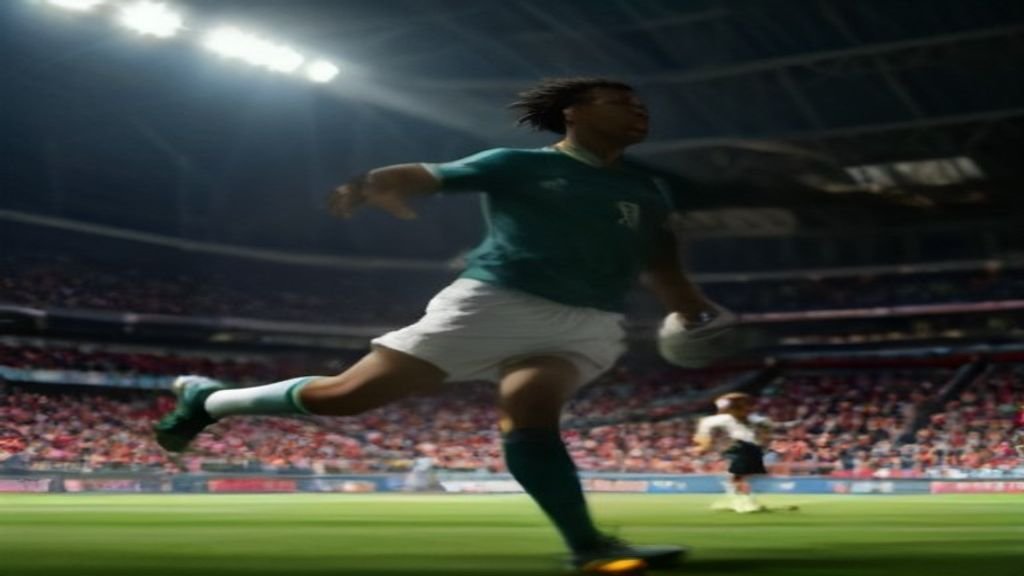
Hegemony in question: an analysis of the group stage
The World Cup is no longer a private preserve for the footballing aristocracy. As we look at the table, we encounter a phenomenon that defies conventional logic: football has become democratized, and not exactly through romanticism, but through a tactical precision that has left several giants on the brink of suffocation. The hierarchy of names is no longer enough; now, a game structure that responds to 90 minutes of high intensity is required.
Let’s analyze the solidity of what is shaping up to be a serious candidacy. Argentina has closed out an immaculate group stage with a perfect record of points. Beyond the marquee names, Lionel Scaloni’s work is a masterclass in collective architecture. The versatility of Enzo Fernández in the pivot, the tireless deployment of Rodrigo De Paul, and the reliability of Dibu Martínez between the sticks—which provide almost surgical defensive security—explain why the Albiceleste side is currently, tactically speaking, the most balanced team in the tournament. Meanwhile, other powerhouses like Brazil have confirmed their status, albeit with a somewhat dangerous dependence on Vinícius’ genius in the final third.
On the flip side, we observe the design disappointments. The lack of clarity in the final meters has condemned teams that, based on individual quality, should have dominated. Rebellion has arrived in the form of national teams like Morocco, which, with the creative guidance of Brahim Díaz, has shown that tactical order can neutralize any raw talent. It is no coincidence that we see teams like Canada or DR Congo complicating more rigid structures; it is a symptom of a tactical parity that is reflected on the scoreboard.
| Player | Goals | Assists |
|---|---|---|
| Kylian Mbappe (France) | 10 | 4 |
| Lionel Messi (Argentina) | 8 | 4 |
| Erling Haaland (Norway) | 7 | 0 |
| Jude Bellingham (England) | 7 | 0 |
| Michael Olise (France) | – | 7 |
Mbappé’s goalscoring ability remains a separate case study, but it is in the engine room—in the buildup zone—where France makes the difference with Michael Olise. The efficiency of the passers, like the silent work of Aurélien Tchouaméni, is what allows the system to function. Those who ignore this numerical rigor in the coming rounds will end up watching the final from the couch. Football no longer forgives disorder.
Jacinto Perplejo.
See all offers on Amazon →
Photo: TyC Sports / Tigre’s edgy post with a dig at Racing: “Time to close the stadium again…”
By Jacinto Perplejo